
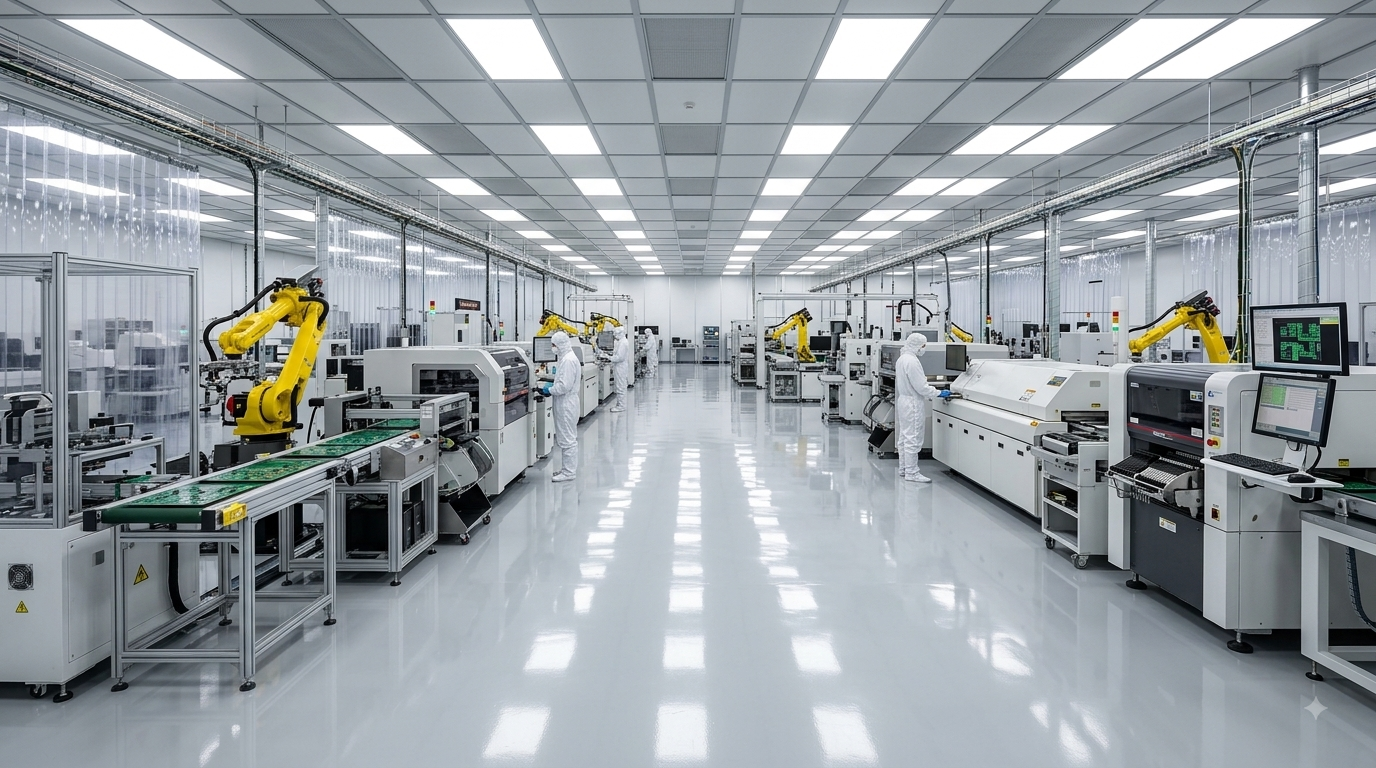
Electronics and semiconductor assembly lines run on precision, and an ordinary floor is one of the easiest ways to lose it. Static discharge from foot traffic, trolleys, and equipment can silently damage sensitive components long before a defect shows up on the line — and once it does, tracing it back to the floor is expensive and slow.
Chemcoats has been installing ESD, anti-static, and cleanroom flooring for Chennai's electronics manufacturers since 2008. Our client list includes Foxconn, Dell, Luxshare, Motorola, Flex, and Syrma SGS — companies where floor performance is a production requirement, not a finishing touch.
Common Flooring Challenges in Electronics & Semiconductor Manufacturing
- Static discharge from personnel and equipment damaging static-sensitive components (ESD/ESDS risk).
- Particle generation from worn or porous flooring compromising cleanroom classifications.
- Constant trolley, AGV, and cart traffic wearing down standard coatings faster than expected.
- Downtime pressure — production lines can rarely be paused for long floor works.
- Meeting customer or certification audit requirements for surface resistivity (Rg/Rp values).
Recommended Flooring Solutions
ESD & Anti-Static Flooring
System SpecConductive flooring that gives static a controlled path to ground, protecting components during assembly, handling, and testing. Specified to defined resistivity ranges for SMT lines, component stores, and testing areas.
Anti-Static Epoxy Flooring
System SpecA cost-effective epoxy-based static-control system for general assembly and warehouse areas within electronics plants where full ESD specification isn't required.
Clean Room Flooring
System SpecSeamless, non-porous flooring with coved skirting for component handling and cleanroom-classified assembly areas, built to resist particle generation.
Di-Electric Flooring
System SpecInsulating flooring for electrical test benches, control panels, and high-voltage testing areas within electronics facilities.
Related Case Studies & Projects
 CASE STUDY
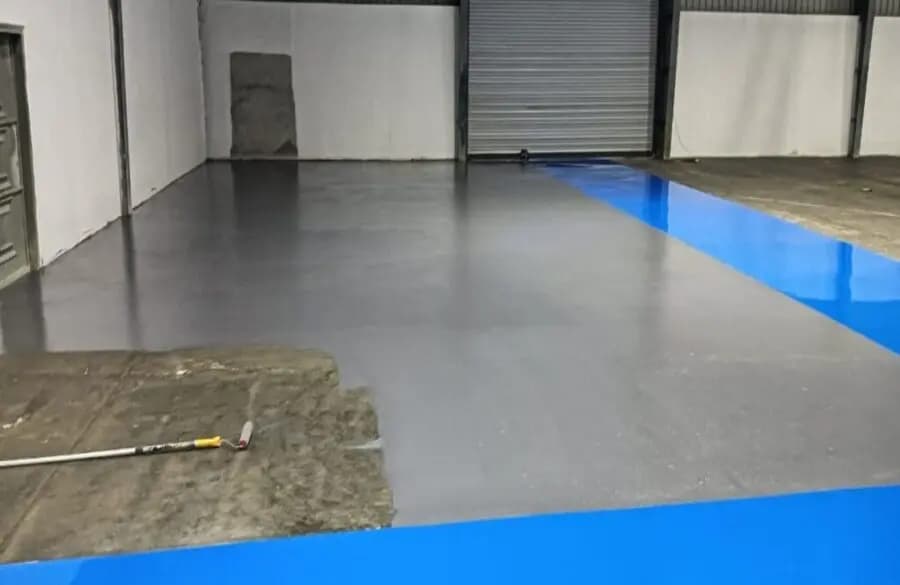
Foxconn — Epoxy Flooring Project
Read Full Project Story →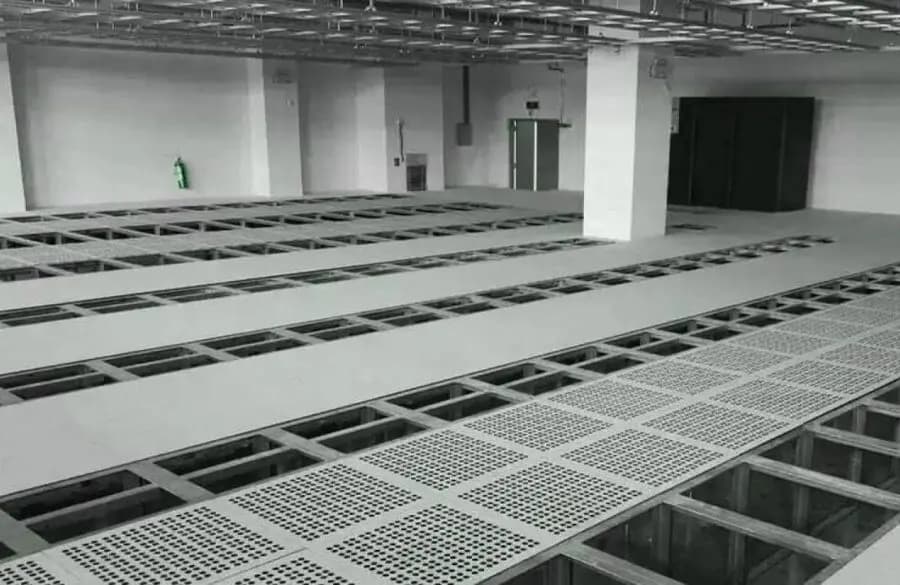 CASE STUDY
Luxshare — Industrial Flooring Project
Read Full Project Story →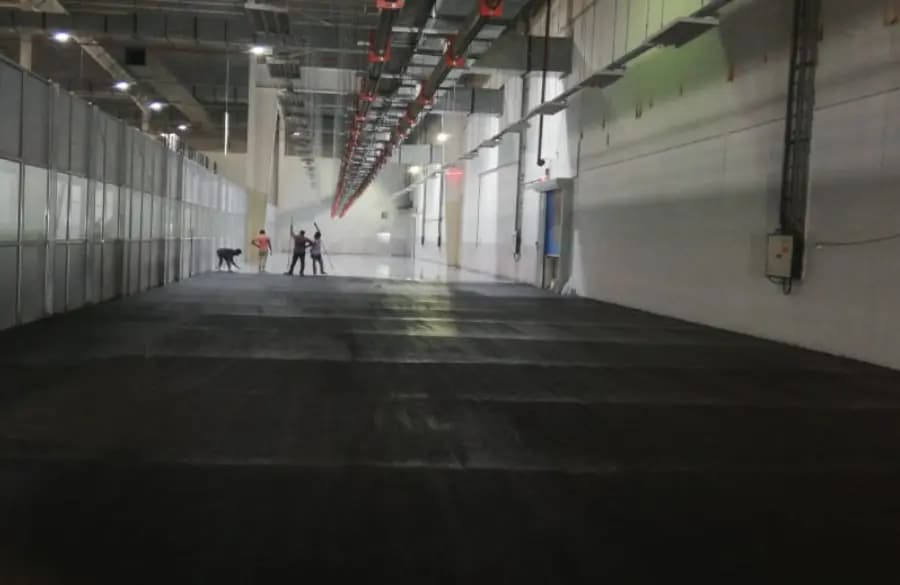 CASE STUDY
Syrma SGS — ESD Flooring Project
Read Full Project Story →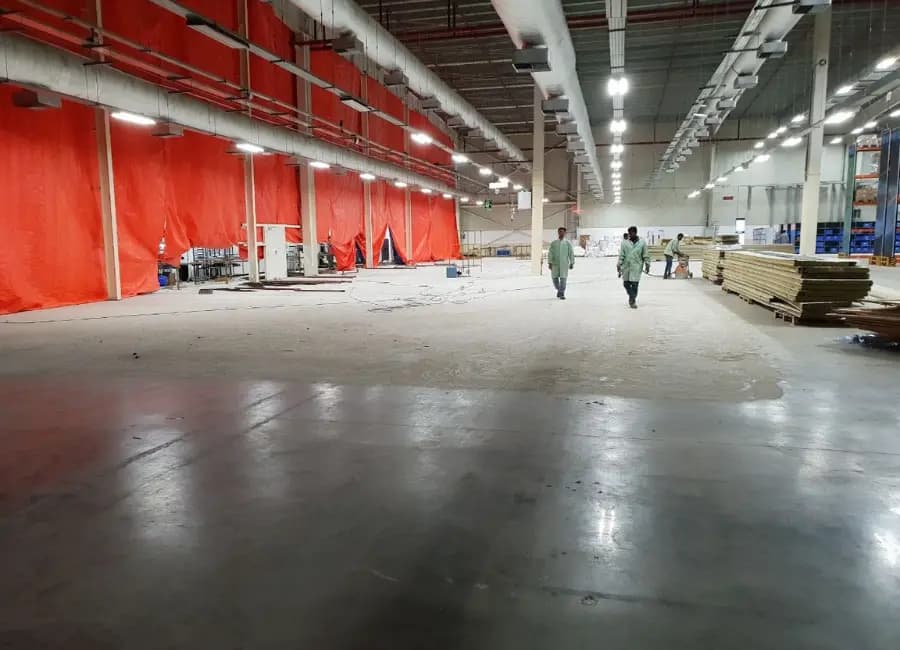 CASE STUDY
FLEX — Epoxy Flooring Project
Read Full Project Story →Frequently Asked Questions
Find answers to common questions regarding flooring specifications, maintenance, and installation for Electronics & Semiconductor Manufacturing.
What resistivity does ESD flooring need to meet?+
Requirements vary by standard (commonly ANSI/ESD S20.20) and by customer specification. We confirm the target Rg (resistance to ground) and Rp (point-to-point resistance) range during the site assessment before recommending a system, and test the installed floor to confirm it's within spec.
Can ESD flooring be installed without stopping production?+
Yes, in most cases. We plan installation zone by zone around your shift and production schedule, so unaffected lines keep running while we work on isolated sections.
Is anti-static flooring the same as ESD flooring?+
Not quite. Anti-static flooring reduces static generation generally, while ESD flooring is engineered and tested to a specific, measurable resistivity range for handling static-sensitive components. Which one you need depends on what's on the line.
How long does ESD flooring last on a high-traffic assembly floor?+
With correct surface preparation and the right system for your traffic levels, ESD flooring typically performs well for 7-10+ years before recoating is needed, though heavy AGV or cart traffic can shorten this if the wrong grade is specified.
Need Expert Flooring Guidance for Your Facility?
Component damage from static discharge is hard to trace back to the floor — and expensive once it happens. Request a free site visit and we'll assess your resistivity requirements and recommend the right ESD system for your line.