
HYGIENE FLOORING
Hygiene flooring is engineered with non-porous material and seamless installation to prevent any infiltration of contaminants, thus maintaining a sanitary and clean surface. In fact, the surface is ideal for healthcare facilities as well as food processing plants.
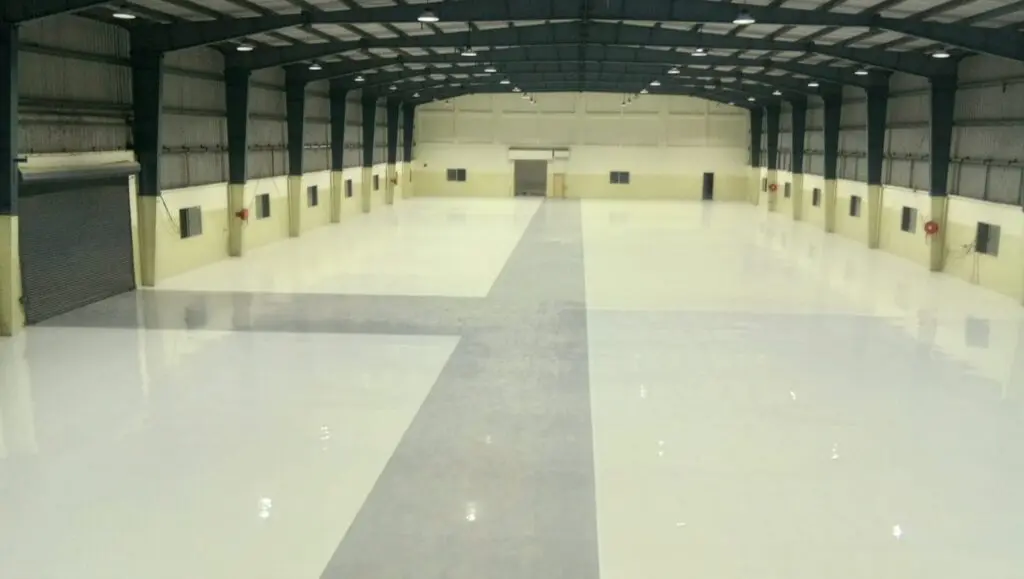
Why Hygiene flooring is important ?
Hygiene flooring applications are paramount in numerous industries and areas where it offers technical benefits to ensure a clean and safe environment. Whether a healthcare facility, food processing plant, laboratory, or a residential kitchen, hygiene flooring is designed to meet the highest standards and deliver those essential technical advantages.
Antimicrobial Properties : Hygiene flooring materials are frequently designed with antimicrobial additives. These additives help prevent the growth of bacteria, molds, and fungi, aiding in the prevention of spreading infections and diseases. In the healthcare institutions, this is particularly critical for patient safety.
Easy to Clean and Maintain : Hygiene flooring has been designed explicitly so that cleaning and sanitizing are easy. Because the surface is smooth and non-porous, dirt and contaminants are not entrapped and can be cleaned very conveniently using common disinfectants and cleaning agents.This is very important when it comes to meeting hygiene and sanitation standards within institutions related to healthcare, food processing, and pharmaceutical industries.
Chemical Resistance : Most hygiene flooring materials have some degree of resistance to a wide range of chemicals, including harsh disinfectants and cleaning agents. They can thus be suitably applied in environments where chemical spills are common, such as labs and industries.
Seamless Installation : Hygiene flooring can be laid down seamlessly, thus reducing the number of joints and seams where dirt and bacteria can flourish. This is critical for areas where cleanliness is of utmost concern as this reduces the risk of contamination.
Slip Resistance : Slip resistance is a technical property frequently neglected. Hygiene flooring is designed to give a good anti-slip surface roof on which to walk during wet or greasy conditions. This is especially important in commercial kitchens and food processing areas, where falls could be a major hazard.
Durability : Hygiene flooring allows heavy foot traffic, machines, and equipment, standing the test of time. It resists all forms of wear and tear while still maintaining hygiene attributes over time.
Compliance with Regulations : Most sectors have specific regulations and standards on hygiene and sanitation. Hygiene flooring is tailored to meet the requirements, which would thus technically help organizations and businesses be compliant with the law.
Thermal Stability : Hygiene floors must remain impervious to variations in temperature in certain environments, such as in industrial kitchens or cold operates. Special hygienic floor coverings are designed to hold their integrity and hygienic properties in those conditions.
Aesthetic Options : Hygiene flooring does not have to forego aesthetics for functionality. It has various colors and layouts, allowing businesses to build visually attractive spaces while keeping up high standards of hygiene.
Advantages
- Seamless and Non-Porous Surface
- Superior Cleanability
- Exceptional Chemical Resistance
- Slip-Resistant Options
- Moisture and Stain Resistance
- Anti-Microbial Properties
- Durable and Impact-Resistant
- Thermal and Fire Resistance
- Customizable Slip Grades
- Eco-Friendly Materials
- Fast Installation and Repairs
- Odor and Stain Neutrality
Our Other Industrial Flooring Services